Bun Lai: Curiosity, Community, and Kindness
Bun Lai is an Obama White House Champion of Change honoree, James Beard–recognized chef, a forest and coastal forager, environmental advocate, and the longtime chef-owner and creative force behind Miya's, the first sushi bar in Connecticut. Described by The New York Times as “the mad scientist of the sustainable sushi movement,” Bun has spent decades challenging assumptions about food, sustainability, and community. This conversation was particularly meaningful for me because Bun was my 100th Investing in Kindness interview. Having known him for more than twenty years since meeting in New Haven, I have had the opportunity to watch his evolution from a young chef learning through trial and error into one of the most creative and thoughtful people I know. Throughout that journey, curiosity, community, and kindness have remained at the center of his work.
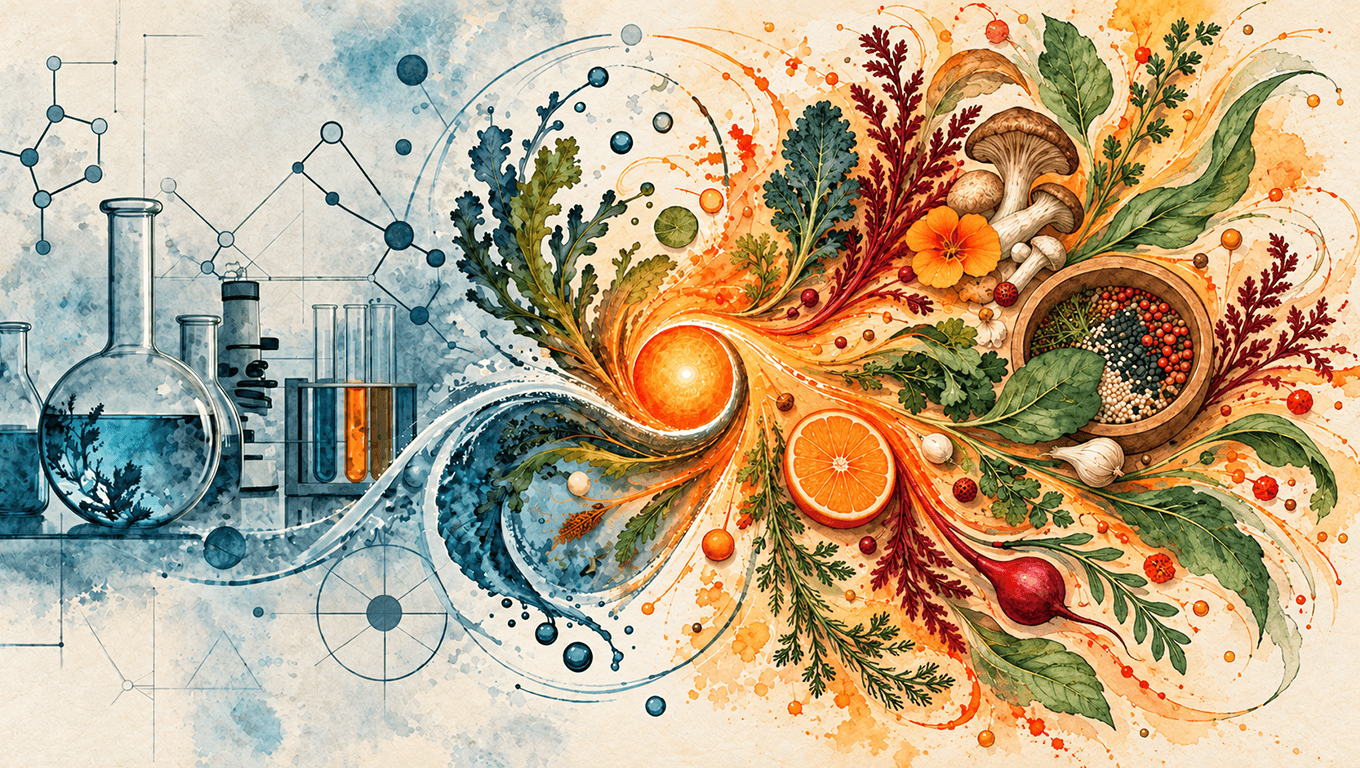
Born in Hong Kong to a father from Hong Kong and a mother from Japan, Bun spent his first year in Hong Kong, two years in Japan, and then moved with his family to New Haven when his father accepted a position at Yale Medical School. Looking back, Bun describes his childhood as being split between two worlds. On one side was his father's laboratory at Yale, where research and science shaped daily life. On the other was his mother's restaurant kitchen, where food, hospitality, and community came together. He often describes growing up in "a laboratory on my dad's side and in a kitchen on my mother's side," an experience that would later influence both his creativity and his willingness to challenge conventional thinking.
Bun never planned to become a chef. He joked that the path began largely because of bad grades. After dropping out of college just before his senior year, he returned to help his mother at the restaurant during a difficult period. He started by washing dishes and doing whatever work was needed. Then an unexpected event changed the course of his life. After firing a chef who had insulted a waitress, Bun suddenly found himself running a sushi bar without a sushi chef. At only twenty-one years old, he stepped into the role despite having little experience.
The years that followed were difficult. The restaurant struggled financially, his family nearly lost their home, and Bun found himself learning through constant mistakes. Yet he would not change those experiences. He believes that failure was his greatest teacher. Rather than receiving formal culinary training, he learned through necessity, persistence, and experimentation.
That unconventional path helped shape his approach to creativity. Bun does not see traditions as rules that must always be followed. Influenced by his Chinese, Japanese, and American experiences, he developed a habit of questioning assumptions and imagining alternatives. While he does not consider himself the most technically skilled chef, he places enormous trust in his imagination and his ability to see possibilities that others might overlook.
That curiosity eventually extended beyond food itself. Bun became increasingly interested in the impact that food systems have on people and the environment. At a time when few people were talking about sustainability in sushi, he was experimenting with plant-based sushi, sustainable seafood, and invasive species. His motivation was to understand the broader consequences of what people eat and how those choices affect ecosystems, communities, and future generations.
Community became another defining element of his work. Inspired in part by his father's commitment to service as a physician and researcher, and by his mother's welcoming restaurant, Bun viewed Miya’s as more than a business. One of his favorite initiatives was Sushi for the Masses. Late at night, instead of discarding unused ingredients, the restaurant would create affordable sushi platters and welcome everyone from skateboarders to graduate students, artists, environmentalists, and local residents. The result was a diverse gathering place where people connected through food and conversation.
I experienced that environment firsthand. Miya’s often felt like an old-fashioned salon where people from very different backgrounds gathered, exchanged ideas, formed friendships, and built community. Bun reflected, "The restaurant itself doesn't create the community. The community creates the restaurant." He described himself as "very, very lucky to have a community raise me here in New Haven." That perspective appeared throughout the interview. Rather than viewing himself as someone who built a community, he repeatedly described himself as someone who benefited from one.
When we discussed investing in kindness, Bun emphasized that kindness begins internally. He believes people cannot fully extend kindness to others until they learn to treat themselves with compassion. That perspective has become increasingly important in his own life. Despite receiving awards and recognition throughout his career, the accomplishments he is most proud of today have little to do with professional success. Instead, he spoke about spending more time with family, finding greater balance, becoming sober, quitting smoking, and learning to care for himself.
Bun described an evolution as a leader when he began seeing enormous potential in people, wanting success for them even more than they wanted it for themselves. He poured energy into giving chances to those who were struggling, and when things didn’t work out, it broke his heart. Over time, he realized a hard but important truth: you cannot have hopes and dreams for other people. As a leader, he believes that you can offer opportunity, support, and encouragement, but people ultimately have to choose their own path.
He also shared a story that captures his view of humanity. While driving through a small town in the South, he experienced a flat tire and found himself stranded at a run-down gas station. Several strangers immediately stepped in to help. They repaired the tire, refused payment, and spent time talking with him afterward. Although they likely held very different political beliefs and life experiences, Bun remembers their generosity far more than their differences. The experience reinforced his belief that curiosity is often more valuable than judgment and that meaningful connections can form between people who initially appear to have little in common.
“Kindness is something that's absolutely fundamental. It starts with being kind to yourself.”
Bun Lai is a chef, entrepreneur, environmental advocate, and community builder whose work demonstrates how curiosity, creativity, and kindness can shape both people and systems. Whether feeding a community, exploring sustainable food systems, or bringing people together around a table, he continues to look for ways to create a positive impact. Keep an eye out for more interviews.
If this conversation resonates and you are thinking about how kindness shows up in your own leadership, you can learn more about my executive coaching work at Hypatia Leadership.
Fact Check Note:
We prioritize accuracy. If anything appears misrepresented or out of date, please contact us at iam[at]investinginkindnessproject.com to suggest a correction.